







Winter Flying: Mastering Stable Aerology and Cold Weather Gear
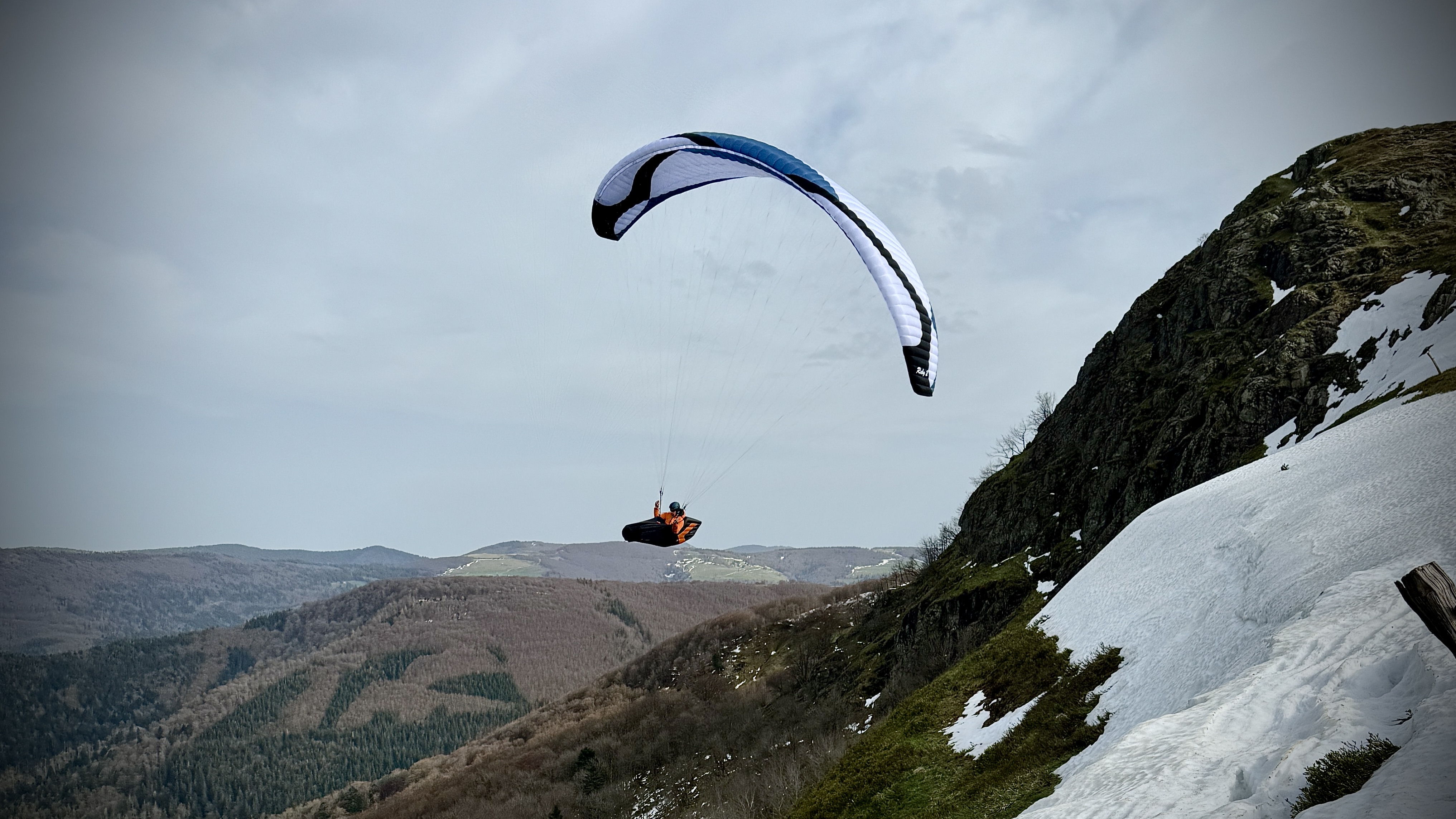
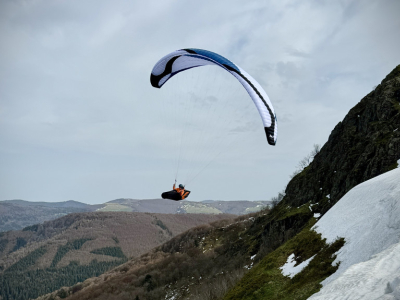
When snow blankets the take-offs, a hushed atmosphere settles over our flying sites. While many pilots pack their gliders away for the season, winter actually offers conditions of exceptional purity. However, winter flying is no improvisation: between increased air density and managing hypothermia, a pilot must adapt their technique.
1. The Physics of Cold Air: Boosted Lift
The first phenomenon you’ll notice when flying at -5°C is that your wing "lifts" better. Why? It’s a matter of molecular density. Cold air is denser than warm air. For the same volume, there are more air molecules under your wing and within your profile.
- At Take-off: Your wing rises more slowly but supports your weight sooner. The "take-over" is often more efficient.
- In Flight: At the same speed, your sink rate might seem slightly improved, but your ground speed will be lower because the air offers greater resistance.
2. Winter Aerology: Between Stability and Slope Breezes
In winter, the sun is low. The angle of the rays on the terrain is shallow, limiting the trigger of powerful thermals. We often speak of "winter stability".
Temperature Inversion
This is the classic trap: it’s warmer at 1500m than in the valley. This layer of warm air traps pollutants and moisture at ground level, creating a sea of clouds or stubborn mist. For the pilot, this means a total absence of convection above the inversion. The flight will be a long, calm glide, but one of absolute serenity.
The Snow Breeze
Watch out for shaded areas! Snow reflects a huge amount of solar energy (albedo). This means that rocky faces warm up slightly, but snowy fields remain frozen. You may encounter very marked downward micro-breezes over white zones, as the air cooled by the snow literally "flows" downwards.
3. Protecting Your Equipment
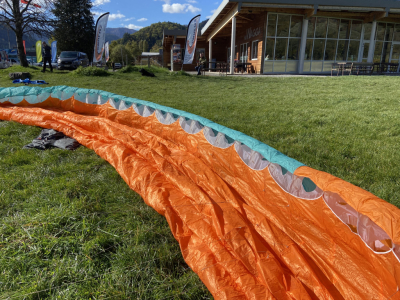
Cold also affects your gear. Your wing's fabric (Nylon 6.6) becomes stiffer. Strictly avoid folding your wing if it is damp or if frost has formed: ice crystals are abrasive and can damage the fabric coating during tight packing.
- Batteries: Your instruments lose 30% to 50% of their battery life in extreme cold. Keep your phone and vario against your body until the last moment.
- Moisture: If you land in the snow, dry your wing flat at home. Never leave it in a damp compression bag, or you risk mold or premature porosity.